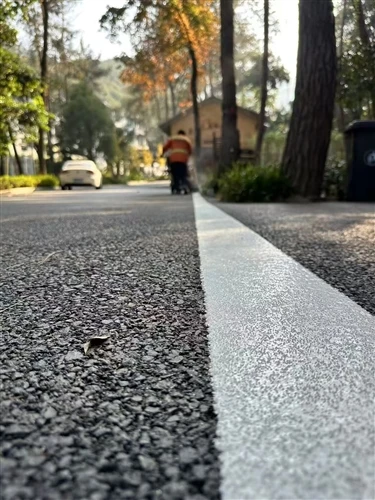
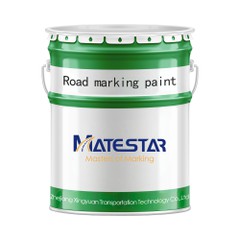
Road markings play a crucial role in ensuring road safety and regulating traffic flow. These visual cues provide essential guidance to drivers, cyclists, and pedestrians, helping them navigate roads and intersections with ease. Among the various factors that contribute to effective road markings, the type of road marking paint used holds significant importance.
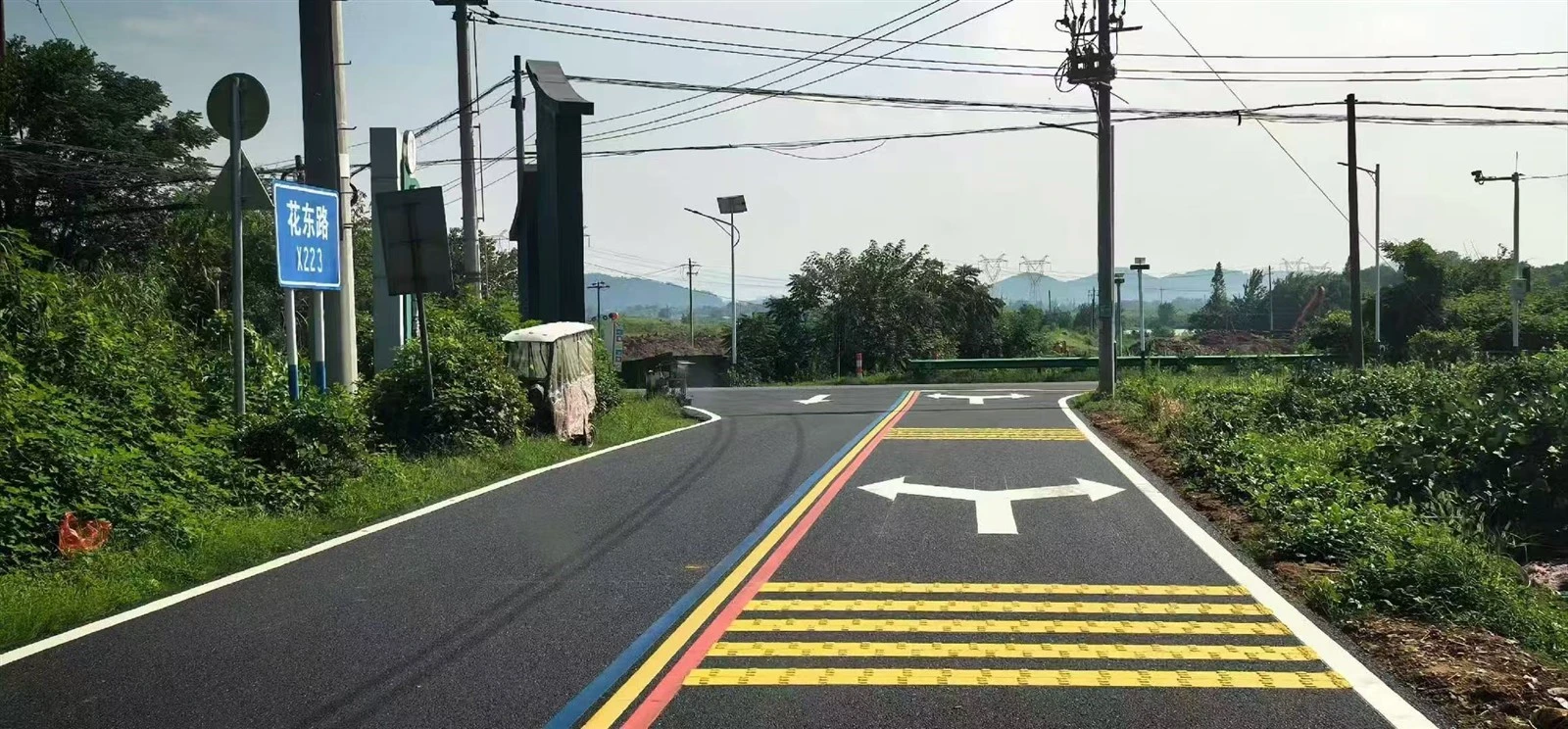
The Most Common Types of Road Paints
Solvent-Based Paint
Cold Plastic Paint
Epoxy-Based Paint
Comparison of Different Road Paints
| Type of Road Paint | Main Features | Common Applications |
|---|---|---|
| Water-Based Road Paint | Eco-friendly, low VOC, fast drying, easy application | City roads, parking lots, temporary road paint markings |
| Solvent-Based Road Paint | Good adhesion, weather resistance, suitable for various surfaces | Urban roads, industrial areas, general road painting projects |
| Thermoplastic Road Marking Paint | Thick layer, high durability, strong reflectivity with glass beads | Highways, crosswalks, stop lines, road paint markings in heavy-traffic areas |
| Cold Plastic Road Marking Paint | Two-component system, strong wear resistance, long service life | Roundabouts, bus lanes, intersections, high-stress areas |
| Epoxy Road Paint | Strong chemical resistance and adhesion | Airports, factories, warehouses, industrial roads |
Water-Based Paint:
Water-based paint is one of the most commonly used road marking paints due to its versatility and eco-friendliness. This type of paint is formulated by mixing pigments with water as a solvent. It offers several advantages, including quick drying time, excellent color visibility, and low VOC (Volatile Organic Compounds) content, making it environmentally friendly. Water-based paint is primarily used for general purpose road markings, such as center lines, lane dividers, and arrows.
Solvent-Based Paint:
Solvent-based paint is a durable and weather-resistant option for road markings. This type of paint uses organic solvents as the carrier medium for pigments. Solvent-based paint provides exceptional adhesion to various surfaces, including asphalt and concrete, and is known for its long-lasting performance. It offers excellent resistance to abrasion, chemicals, and fading caused by exposure to sunlight. Solvent-based paint is commonly used for heavy traffic areas, highways, and intersections due to its superior durability.
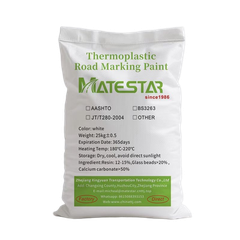
Thermoplastic Paint:
Thermoplastic paint is a popular choice for road markings that require high visibility and longevity. It consists of synthetic resins, glass beads, pigments, and other additives. Thermoplastic paint is heated to a molten state and applied on the road surface, where it solidifies upon cooling. This type of paint creates thick, highly reflective markings that offer excellent skid resistance and visibility, even in low-light conditions. Thermoplastic paint is commonly used for crosswalks, stop lines, symbols, and other areas that demand enhanced visibility and durability.
Cold Plastic Paint:
Cold plastic paint is a versatile and durable option for road markings, especially in areas with heavy traffic and extreme weather conditions. This type of paint is a two-component system comprising a base component and a catalyst. When mixed, they form a chemical reaction resulting in a hardened plastic film. Cold plastic paint offers excellent resistance to wear, tear, chemicals, and UV rays. It is commonly used for high-stress areas like roundabouts, intersections, and bus lanes.
Epoxy-Based Paint:
Epoxy-based paint is a specialized road marking option designed for use on surfaces prone to oil or chemical spills, such as airport runways and industrial areas. This type of paint consists of epoxy resins, curing agents, pigments, and fillers. Epoxy-based paint offers exceptional adhesion, durability, and resistance to chemicals, making it ideal for areas with high traffic and potential chemical exposure.
How to Choose the Right Road Marking Paint
Choosing the right road marking paint is not only about color. The same road paint may perform very differently under different temperatures, traffic conditions, and application methods.
For light-traffic areas such as parking lots, factory roads, and temporary construction zones, water-based road paint or solvent-based road paint can be a cost-effective option. These materials are easy to apply and suitable for general road painting work.
For highways, main roads, intersections, and pedestrian crossings, thermoplastic road marking paint is usually more suitable. It forms a thicker marking layer on the road surface, which helps the paint markings resist tire abrasion for a longer time. When reflective glass beads are applied correctly, thermoplastic road markings paint can also provide better night visibility.
For areas with frequent braking, turning, or heavy vehicle movement, such as roundabouts, bus stops, toll stations, and port roads, the road marking paint should have stronger adhesion, higher softening point, and better wear resistance. In these cases, project-based formula adjustment is very important.
Conclusion:
Choosing the right type of road marking paint is crucial for ensuring optimal visibility, durability, and safety on our roads. Water-based, solvent-based, thermoplastic, cold plastic, and epoxy-based paints each have their unique properties and applications. By understanding the characteristics of different types of road marking paints, authorities, and professionals can make informed decisions to implement effective and long-lasting road markings that enhance traffic safety for all road users.