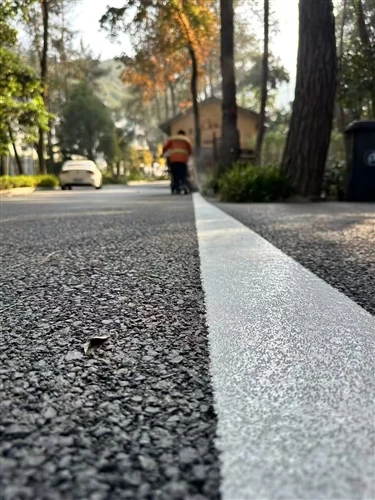
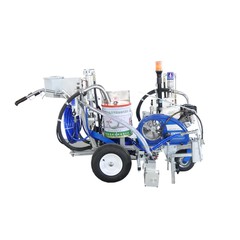
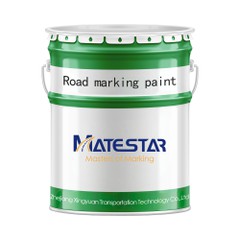
When driving through busy city streets, highways, parking lots, or intersections, most people rarely stop to think about the road markings beneath their wheels. However, these simple lines, arrows, symbols, and crossings are an essential part of safe and orderly transportation. Road markings give clear visual guidance to drivers, pedestrians, and cyclists, helping every road user understand where to go, when to stop, how to share the road, and how to move safely through different traffic environments.This article explains the importance of road markings, why they matter in daily traffic, and how they contribute to better road safety and traffic management.

Enhancing Road Safety
1. Clear Guidance for Drivers
Road markings are like silent traffic police officers, offering clear and concise instructions to drivers. They indicate the lanes, signal where it's safe to pass, and guide you through intersections. Lane dividers, crosswalks, and arrows painted on the road provide essential visual cues that help prevent accidents and reduce confusion. For instance, without road markings, drivers might weave across lanes and intersections, leading to chaos and a higher risk of collisions.
2. Improved Visibility at Night and in Poor Weather
Reflective paints used for road markings significantly enhance visibility during nighttime and adverse weather conditions. These markings can help drivers maintain their lanes and navigate intersections, even when it's dark or raining. The reflective nature of road markings ensures that they are visible under headlights, making nighttime driving safer for all road users.
3. Improve Driver Reaction Time
Clear road markings help drivers react earlier. When lane lines, arrows, crosswalks, and stop lines are easy to see, drivers can understand the road situation before they reach intersections, roundabouts, sharp curves, highway exits, school zones, or other busy areas. This clear visual guidance reduces sudden braking, wrong turns, and unsafe lane changes, making traffic movement more predictable and improving overall road safety.
4. Speed Limit Enforcement
Road markings play a crucial role in enforcing speed limits. They include lines, numbers, and symbols that indicate the legal speed for a particular road or section. By adhering to these markings, drivers contribute to safer road conditions, reduce the likelihood of accidents, and help prevent traffic violations.
Efficient Traffic Management
1. Reduced Traffic Congestion
Efficient road markings are instrumental in managing traffic flow. They guide vehicles into designated lanes and keep them moving smoothly, reducing traffic congestion and bottlenecks. Arrows and lane markings help drivers anticipate upcoming merges and exits, making it easier for them to merge and exit with minimal disruption to other drivers.
2. Improved Pedestrian Safety
Road markings don't just benefit motorists; they are also crucial for pedestrian safety. Crosswalks, pedestrian crossings, and stop lines allow walkers to navigate intersections and roadways safely. Without these markings, pedestrians would have to take additional precautions, leading to slower traffic and potentially more accidents.
3. Bicycle Lanes and Shared Roadways
In recent years, the growing popularity of cycling as an eco-friendly and healthy mode of transportation has led to the development of dedicated bicycle lanes. Road markings are essential for creating these lanes, ensuring a safe separation of bicycles from motorized traffic. They also signal shared roadways, allowing cyclists to coexist with cars in a harmonious and safe manner.
The Language of Roadways
In essence, road markings serve as the language of roadways, communicating rules and expectations to all users. They provide a universal visual reference that transcends language barriers and makes it possible for people from various cultures to navigate safely. Whether you're driving in your hometown or exploring roads in a foreign country, you can rely on road markings to guide your way.
FAQ About Road Markings
What are road markings used for?
Road markings are used to guide drivers, separate traffic lanes, show stopping points, mark pedestrian crossings, organize parking areas, indicate bicycle lanes, and support traffic rules.
Why are road markings important at night?
Road markings are important at night because they help drivers recognize lanes, road edges, intersections, crosswalks, and turning directions under vehicle headlights. Reflective road markings are especially useful in low-light conditions.
How do road markings improve road safety?
Road markings improve road safety by reducing confusion, guiding road users, supporting lane discipline, protecting pedestrians and cyclists, and helping prevent accidents.
What happens when road markings fade?
When road markings fade, they become harder to see and less effective. This can reduce driver guidance and increase confusion, especially at intersections, crossings, curves, and parking areas.
Are road markings only used on highways?
No. Road markings are also used on city roads, parking lots, airports, ports, factories, warehouses, schools, residential areas, and industrial zones.
Conclusion
Road markings are a fundamental component of road safety and traffic management. They create order and organization on our streets and highways, reducing the risk of accidents and improving the flow of traffic. So, next time you're on the road, take a moment to appreciate the importance of those seemingly simple lines and symbols – they play a vital role in keeping our transportation system safe and efficient.