Getting the line marking paint right is super important for making sure your markings look good, last a long time, and keep everyone safe. Here are the main things to remember:
Key Takeaways
- Always match the paint type to the surface you're painting on, like asphalt, concrete, or grass.
- Consider how much traffic or use the area will get; busy roads need tougher paint than a quiet gym floor.
- Environmental factors like sun, rain, and temperature play a big role in how long paint lasts.
- Proper surface prep and application methods are just as important as the paint itself for good results.
- Safety and visibility are key reasons for using line marking paint, so pick colors and types that stand out.
Understanding Your Project's Needs
Before you even think about which can of paint to grab, you really need to sit down and figure out what this project is all about. It sounds obvious, right? But honestly, a lot of people skip this part, and that's where things start to go wrong. Picking the wrong paint for the job is like trying to hammer a screw – it just doesn't work and makes a mess.
Surface Type Considerations
This is probably the most important thing to get right. You can't just slap any old paint on any surface and expect it to stick. Asphalt, concrete, grass, wood, even rubber – they all behave differently. A paint that works great on a smooth, dry concrete floor might peel right off a gravel path or a grassy field in no time. You need to know what you're painting on and choose a paint that's formulated to bond well with that specific material. For instance, if you're marking out a parking lot, you'll want something tough that sticks to asphalt or concrete. If it's an athletic field, you'll need a different kind of paint altogether, something that won't harm the turf and can handle being walked and run on.
Traffic Volume and Usage Patterns
Think about how much action the lines will see. Is this a high-traffic area like a busy highway intersection or a bustling warehouse floor? Or is it a quieter spot, like a seldom-used access road or a small private lot? Heavy traffic means constant tire friction, which wears down paint much faster. For these demanding spots, you need a paint that's built for serious durability. We're talking about paints that can stand up to being driven over hundreds or thousands of times a day without fading or chipping. For lower-traffic areas, you might have more flexibility, but you still want something that will last a reasonable amount of time.
Here's a quick look at how traffic affects paint choice:
| Traffic Level | Typical Surfaces | Recommended Paint Type Examples |
|---|---|---|
| Very High | Highways, busy intersections, distribution centers | Thermoplastic, high-solids traffic paints |
| Moderate | Parking lots, school zones, industrial floors | Solvent-based acrylics, durable water-based paints |
| Low | Private driveways, temporary markings, athletic fields | Standard acrylics, specialized field paints |
Environmental Factors and Longevity Requirements
Where is this marking going to live? Is it inside a climate-controlled warehouse, or is it out in the elements, facing sun, rain, snow, and temperature swings? Outdoor markings have a tougher life. UV rays from the sun can break down paint over time, causing it to fade and become brittle. Moisture can lead to peeling or bubbling. Extreme temperatures can also affect how the paint performs and how long it lasts. If you need your lines to stay visible and intact for years, you'll need to select a paint that's resistant to these environmental challenges. Sometimes, a bit more upfront cost for a longer-lasting paint saves you a lot of money and hassle down the road with frequent reapplication. For example, MMA road marking paint is known for its superior resistance to weather and UV light, making it a good choice for outdoor durability.
Choosing the right paint isn't just about the initial look; it's about long-term performance and value. A cheap paint that fades in a year costs more in the long run than a pricier option that lasts five years. Always consider the total cost of ownership, not just the purchase price.
Key Types of Line Marking Paint
So, you're looking to lay down some lines, huh? It's not as simple as just grabbing any old can of paint. Different jobs need different stuff, and picking the wrong one can lead to faded lines, slippery surfaces, or just a general mess. Let's break down the main players in the line marking paint world.
Water-Based Polyurethane Paints for Indoor Use
These are your go-to for indoor spaces, especially places like gyms, sports halls, or activity centers. Think about it: you've got wood floors, maybe some rubber mats, or even PVC surfaces. Water-based polyurethanes stick to those really well. Plus, they often have this anti-slip quality, which is a lifesaver when people are cutting and pivoting fast. Nobody wants to slide out on a painted line during a game. And the cleanup? A breeze. Since it's water-based, you don't need a bunch of harsh chemicals, making it a much nicer option for enclosed areas.
Acrylic Line Marking Paints: Versatile Applications
If you need something that can handle a bit of everything, acrylic is your best bet. It's like the multi-tool of marking paints. It works fine indoors and outdoors, on concrete or asphalt. You see it everywhere, from warehouses to parking lots. The best part is how fast it dries, meaning less downtime. It's also pretty tough, holding up against foot traffic, forklifts, and even car tires. Acrylic comes in a ton of colors, too, which is great for safety markings – think walkways, forklift lanes, or no-go zones. You can spray it, use aerosol cans, or even a brush for small touch-ups. It's a really flexible choice for a lot of different projects.
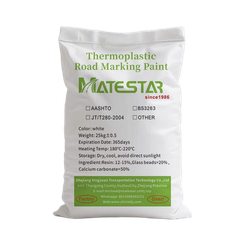
Thermoplastic Road Marking Paint for Highways
When you're driving on the highway or major roads, those bright, durable lines you see? That's usually thermoplastic paint. It's the professional standard for serious traffic management. What makes it special are these tiny glass beads mixed in. They do two cool things: first, they add a bit of grip, which helps tires out in wet weather. Second, they catch the light from headlights at night, making the lines super visible even when it's dark or foggy. This stuff is built to last and handle constant vehicle traffic. If you need markings that can stand up to heavy use and all sorts of weather, thermoplastic is the way to go. It's a bit more involved to apply, often requiring special heating equipment, but the results are worth it for high-traffic areas. You can find more details on different road marking materials at a9be.
Choosing the right paint isn't just about looks; it's about safety and how long the markings will actually last. A cheap paint that needs redoing every few months ends up costing more in the long run than a quality product that holds up for years.
Surface Preparation for Optimal Adhesion
Alright, so you've picked out your paint, which is great. But before you even think about spraying or rolling, we need to talk about the surface. Honestly, this is where a lot of projects go wrong. You can have the best paint in the world, but if you slap it onto a dirty, wet, or crumbly surface, it's just not going to stick. It's like trying to glue something to a greasy pan – not going to end well.
Cleaning and Drying Procedures
First things first: get rid of all the gunk. We're talking dirt, dust, loose gravel, oil spots, anything that's not part of the actual surface. A good sweep or blow-off is usually the minimum. For tougher stuff, like oil stains on a driveway, you might need a degreaser. The cleaner the surface, the better the paint will grab. And don't forget about moisture. Paint and water don't mix, at least not when you want good adhesion. Make sure the surface is completely dry. This might mean waiting after a rain or even using a leaf blower to speed things up. You want that paint to bond directly to the material, not to a layer of grime or dampness.
Addressing Different Terrain Types
Not all surfaces are created equal, right? Painting on smooth asphalt is way different than trying to mark a grassy area. For hard surfaces like concrete or asphalt, you're mostly worried about cleanliness and dryness. But if you're marking on dirt or grass, it's a whole other ballgame. These surfaces are uneven and porous. You might need to use more paint to get a visible line, and the paint might not last as long. Sometimes, a temporary marking paint is better for these softer terrains. For really rough patches, you might even need to do some minor leveling first, though that's usually for more permanent installations. Knowing your terrain is key to picking the right prep steps.
Importance of Weather Conditions During Application
This is a big one, and people often overlook it. Trying to paint when it's freezing, scorching hot, super windy, or pouring rain is just asking for trouble. Extreme temperatures can mess with how the paint dries and cures. High humidity can slow down drying times significantly, and wind can blow dust and debris onto your wet lines, ruining the finish. Rain, well, that's obvious – it washes the paint away before it even has a chance to dry. Ideally, you want a mild, dry day with little to no wind. Check the forecast before you start. It's worth waiting a day or two for better weather than having to redo the whole job because it was applied under bad conditions. For quick-drying options, check out cold paint for road marking.
Think of surface prep like getting ready for a big race. You wouldn't just jump into your car without checking the tires, filling the gas tank, and making sure the engine is running smoothly. Line marking paint is no different. A little bit of effort upfront saves a whole lot of headaches down the road, making sure your lines are sharp, visible, and actually last as long as they're supposed to.
Achieving Professional Application Techniques
So, you've picked out the perfect paint for your project. That's great! But honestly, even the best paint won't look right if you don't apply it properly. It's like having a fancy chef's knife but using it to chop wood – just doesn't work. Getting those clean, sharp lines that look like they came straight from a pro takes a bit of know-how and the right approach.
Spray Application Best Practices
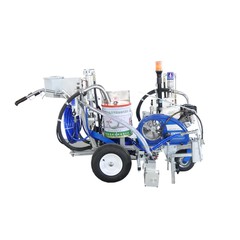
When you're using aerosol cans, the distance you hold the can from the surface really matters. Aim for about 4 to 6 inches away. Too close, and you'll get drips and uneven blobs. Too far, and you'll get overspray, wasting paint and making fuzzy lines. Keep your hand moving at a steady pace; don't stop in one spot. Think of it like drawing a continuous line, not dotting it. For larger jobs, a machine like the 1800A High-Power Hand Push Cold Spray Marking Machine can make a huge difference, offering consistent pressure and spray width.
Ensuring Consistent Coverage and Overlap
To get a solid, opaque line, you can't just do one quick pass. You need to overlap your passes. A good rule of thumb is to overlap each new pass by about 50% of the previous one. This builds up the paint evenly and avoids thin spots or gaps. If you're using a striping machine, make sure it's set up correctly for the width you need. For aerosols, this means keeping that steady, overlapping motion going. It might seem like you're using more paint, but it actually saves you from having to go back and touch up thin areas later, which is way more work.
Utilizing Guides for Precise Lines
Nobody's hand is perfectly steady, especially when you're trying to paint a straight line for hundreds of feet. That's where guides come in handy. You can use chalk lines, string lines, or even pre-marked lines to follow. For really long, straight runs, especially on roads or large parking lots, using a dedicated striping machine is your best bet. These machines are built to follow a straight path and apply paint consistently. If you're doing smaller jobs or touch-ups, a simple marking wand can give you more control and help keep things straight. Remember, the goal is a line that's not just visible, but also looks neat and professional, which is key for safety and organization. Proper application is a big part of the road line painting process.
Applying line marking paint correctly isn't just about making things look good; it's about making them functional and safe. A poorly applied line can be hard to see, leading to confusion or accidents. Taking the time to understand the best techniques for your chosen paint and equipment will pay off in the long run with markings that are clear, durable, and effective.
Factors Influencing Paint Selection
So, you're out there trying to mark lines, whether it's for a parking lot, a warehouse floor, or maybe even a sports field. It might seem like any old paint will do, right? Wrong. Picking the right line marking paint is actually a pretty big deal, and it can save you a ton of headaches down the road. It's not just about what looks good; it's about what works best for your specific situation.
Durability Against Wear and Tear
Think about where these lines are going. A busy highway sees way more action than a quiet community park. If you've got constant car traffic, forklifts zipping around, or even just a lot of foot traffic, you need paint that can take a beating. Cheaper paints might look okay for a few weeks, but they'll start to fade and wear down way too fast. You'll end up repainting more often, which costs more time and money. For high-traffic areas, you really want something tough, like thermoplastic paint, which is built to last on roads. For less intense spots, a good quality acrylic might be just the ticket.
Color Variety for Visibility and Safety
Color isn't just for looks; it's a safety feature. Different colors can mean different things. White and yellow are standard for traffic lanes, but you might need red for stop areas, blue for accessible parking, or green for specific zones. Making sure your colors are bright and stand out is key for drivers and pedestrians to see where they need to go, especially in bad weather or at night. It's also about following any rules or regulations for your area. Sometimes, specific colors are required for certain markings, like utility lines. You can find paints in a pretty wide range of colors these days, so you should be able to match what you need.
Surface Compatibility for Long-Term Results
This is a big one that people sometimes overlook. You can't just slap any paint on any surface and expect it to stick. Asphalt, concrete, wood, even grass – they all need different kinds of paint. Using the wrong type can lead to the paint peeling off, fading quickly, or not sticking at all. It's like trying to glue a sticker onto a greasy surface; it just won't hold. Always check what the paint is designed for. For example, if you're marking a sports field, you'll need a paint formulated for grass. For parking lots, you'll want something that adheres well to asphalt or concrete, like normal temperature road marking paint.
Here's a quick rundown of common surfaces and what to look for:
- Asphalt/Concrete: Needs good adhesion and resistance to UV and weather. Acrylics and thermoplastics are common.
- Indoor Floors (e.g., warehouses, gyms): Often require fast-drying, durable paints. Water-based polyurethanes are good for gyms due to anti-slip properties, while acrylics work well in warehouses.
- Grass/Dirt: Requires specialized paints that can adhere to organic surfaces and withstand outdoor elements.
Choosing the right paint isn't just about the immediate job; it's about the long-term performance and safety of your markings. A little research upfront can prevent costly mistakes and ensure your lines stay clear and visible for as long as possible.
The Critical Role of Line Marking Paint in Safety
No matter how fancy the surface or new the layout, without the right line marking paint, public spaces and roadways can get confusing and even dangerous. Line marking paint isn't just about neat lines; it actually helps protect people by guiding them where they need to go and showing clear boundaries. Let's break down how this happens.
Enhancing Visibility for Drivers and Pedestrians
- Bright or reflective paints grab attention, making lanes, crosswalks, and stop lines obvious even in tough conditions such as rain or at night.
- Consistent markings help drivers and walkers confidently interpret the layout, cutting down on hesitation and risky moves.
- Using the right colors can signal warnings, allowed directions, or restricted areas-just like how red road marking paint is used to reinforce rules and alert drivers to no-entry zones (red road marking paint applications).
A clean, sharp road line at dusk means someone is less likely to miss a stop sign or wander into active lanes-a simple strip of paint can be the thin line between safety and disaster.
Compliance with Regulatory Standards
- Paint choices do more than mark territory; they must meet legal standards, both local and federal, for color, size, and reflectivity.
- Maintenance schedules often depend on rules set by transportation departments, schools, or industry organizations.
- Falling short of these standards could mean fines, failed inspections, or having to redo the work at your own cost.
| Key Compliance Factors | Typical Requirement |
|---|---|
| Line Color Code | National or Local Standards |
| Reflectivity/Visibility Level | Nighttime & Wet Conditions |
| Paint Durability | Expected Lifespan |
| Application Technique | Approved Methods |
Preventing Accidents Through Clear Markings
- Unclear or faded lines can cause cars to swerve, block intersections, or park where they shouldn't. For pedestrians, missing zebra crossings or boundaries can mean stepping into fast-moving traffic.
- Places with heavy equipment-like warehouses-rely on visible lines to separate walkers from trucks or forklifts.
- Reliable markings help people react quickly in emergencies by instantly knowing what's safe and what's not.
Some of the most common places where proper paint cuts down on accidents include:
- Crosswalks in busy city areas
- Construction sites with open excavation
- Parking lots, especially where spots shift or weather obscures pavement
Clear, long-lasting line marking paint really helps everyone-regular drivers, workers, and bystanders-move around safely. When choosing a paint, think about how well it stands out and how long it stays visible, especially if it's going somewhere critical, like a busy street or an industrial yard. For a deeper look at paint's role in roads, see how traffic control markings improve safety.
Specialized Line Marking Paint Applications
Athletic Field Marking Paints
When you're setting up a sports field, whether it's for a local league or a big tournament, the lines need to be super clear. You're looking for paints that can handle a lot of foot traffic, spikes, and sometimes even sliding. These paints are usually designed to be bright and stay put, even when they get wet. They need to be tough enough to last through a whole season without fading too much. Think about tennis courts, soccer fields, or even a simple baseball diamond – the lines are key for the game.
Utility Marking Paints for Temporary Needs
Sometimes you just need to mark something temporarily, like where a pipe is buried or where to dig. This is where utility marking paints come in. They're often used by construction crews or utility companies. The cool thing is, some of these paints are designed to fade away after a certain amount of time or after a few rainstorms. This is handy because you don't want permanent marks all over the place if they're just for a short-term job. The APWA has a color code for these markings, which is pretty important for safety. For example, yellow usually means gas lines, and red means electrical.
Traffic and Parking Lot Marking Paints
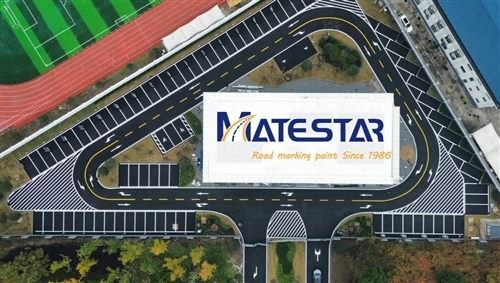
This is probably what most people think of when they hear "line marking paint." We're talking about the lines in parking lots, on roads, and at intersections. These paints have to be really durable because they deal with cars driving over them constantly, plus all sorts of weather. They need to be visible day and night, which is why some use reflective beads. Getting these lines right is a big deal for safety, helping drivers know where to go and preventing accidents. A good example is the paint used on paved roads and parking lots. It needs to stand up to a lot of wear and tear.
Environmental Considerations for Line Marking Paint
When you're picking out paint for your lines, it's not just about how it looks or how long it lasts. We also have to think about what's in it and how it affects the world around us. It's a big deal, especially with more rules and just a general desire to be a bit kinder to the planet.
High Heat and UV Resistance
If your lines are going to be out in the sun all day, every day, you need paint that can handle it. Think about parking lots or roads – they bake under the sun. Paint that isn't built for this will fade fast, crack, or just generally fall apart. You want something that can stand up to those harsh UV rays and high temperatures without losing its color or its grip. This means looking for formulations that specifically mention UV stability and heat resistance. It's not just about looks; faded lines can become hard to see, which is a safety issue.
Humidity and Quick-Dry Formulations
Humidity can be a real pain when you're trying to paint lines. If the air is thick with moisture, paint takes longer to dry. This means your project gets delayed, and there's a higher chance of the wet paint getting messed up by foot traffic or vehicles before it's ready. Some paints are made to dry super fast, even when it's a bit damp out. These are lifesavers for jobs where you can't afford a lot of downtime. Water-based paints are often a good choice here, as they tend to dry quicker than some other types and have a lower environmental impact. Water-based paint is generally better for air quality too.
Low-VOC and Eco-Sensitive Options
VOCs, or Volatile Organic Compounds, are chemicals that can be bad for the air we breathe and can contribute to smog. Many older types of paint were loaded with them. Nowadays, there's a big push for low-VOC or even zero-VOC paints. These are much better for the environment and for the health of the people applying the paint and those around the area. You'll find that many manufacturers are offering these greener options. It's worth asking about them. For highway applications, thermoplastic road marking paint is a great example of an eco-friendly choice because it doesn't use solvents.
Choosing paint with fewer harsh chemicals is a win-win. It's better for the environment and often safer for workers and the public. Look for certifications or labels that indicate lower environmental impact.
Choosing the Right Application Equipment
So, you've picked out the perfect paint for your project, but how are you actually going to get it down on the surface? The tool you use matters, a lot. Using the wrong equipment can lead to messy lines, wasted paint, and a whole lot of frustration. It's like trying to hammer a nail with a screwdriver – it just doesn't work right.
Striping Machines for Large Areas
If you're tackling big jobs like parking lots, sprawling sports fields, or busy warehouse floors, a dedicated striping machine is your best bet. These machines are designed to lay down consistent, straight lines quickly and efficiently. They help control the spray width, keep your pace steady, and can save you a ton of paint compared to freehanding it. For really large-scale projects, you might even look into specialized road painting machines that can handle high volumes and demanding conditions.
Wands and Grips for Smaller Jobs
Now, for smaller tasks, touch-ups, or those tricky areas that a big machine can't reach, a hand-held wand or a pistol grip applicator is the way to go. These give you a lot more control, especially when you're working in tight spots or need to mark out temporary utility lines. They're lightweight and easy to maneuver, making quick work of smaller jobs without the hassle of setting up larger equipment.
Starter Kits for New Users
If you're new to line marking and feeling a bit overwhelmed, don't sweat it. There are starter kits available that bundle everything you need to get going. These usually include the paint, an applicator (often a wand or grip), and any necessary accessories. It takes the guesswork out of the equation and helps you achieve professional-looking results right from the start. It's a great way to get a feel for the process before investing in more advanced gear.
The right equipment isn't just about making the job easier; it's about achieving a professional finish that lasts. Think about the scale of your project, the type of lines you need to create, and your own comfort level with the tools. Investing a little more in the correct application equipment can save you time, money, and headaches down the road, especially when dealing with materials like thermoplastic road marking paint which require specific application temperatures and methods.
Using Stencils for Accuracy and Compliance
Lines are important, sure, but sometimes you need more than just a straight mark. Think about arrows, numbers, or those essential handicap symbols. That's where stencils really shine. They're not just for making things look pretty; they're key for getting markings that are both accurate and meet official rules. Using the right stencil can make the difference between a professional job and something that looks a bit rough around the edges.
Creating Professional Markings with Stencils
Forget freehanding those letters or symbols. It's tough to get them looking consistent, and even tougher to make them look good every single time. Stencils are your secret weapon here. They give you a clean edge to spray or roll paint against, so you get sharp, defined shapes. This is especially helpful when you're working with different types of paint, like white line paint for roads, where crispness matters for visibility.
Ensuring Consistency in Symbols and Text
When you're marking out a parking lot with specific designations or a warehouse floor with safety instructions, consistency is everything. You don't want one 'P' looking different from the next. Reusable stencils, like those offered by Fox Valley Paint, are cut precisely. This means every time you use them, you get the exact same symbol or letter. It saves you time and headaches, and makes sure all your markings look like they came from the same playbook.
Benefits of Reusable Stencils
So, why go with reusable stencils? Well, for starters, they're cost-effective over time. You buy them once, and you can use them for countless projects. They're also generally made from durable materials, so they can handle being laid down, painted over, and cleaned up repeatedly. Plus, they're easier to store than disposable ones. Here's a quick rundown:
- Durability: Built to last through many applications.
- Cost-Effectiveness: Saves money compared to single-use options.
- Ease of Use: Simplifies the process of creating complex shapes.
- Consistency: Guarantees uniform results every time.
When you're dealing with regulatory requirements or just want your project to look its best, stencils are a no-brainer. They take the guesswork out of creating detailed markings and ensure that your message is clear and professional.
Prioritizing Safety and Sustainability in Paint Choice
When you're picking out line marking paint, it's easy to get caught up in just how bright the color is or how fast it dries. But honestly, the real game-changers are safety and sustainability. These aren't just buzzwords; they directly impact the well-being of people using the marked areas and the environment around us.
High-visibility pigments are key for clarity, especially in tough conditions. Think about it: faded lines on a busy road at dusk or in heavy rain are a recipe for trouble. Using paints with pigments that really pop, even when they're a bit worn, makes a huge difference for drivers and pedestrians alike. It's about making sure everyone can see where they need to go, reducing confusion and the chance of accidents. This is especially important for things like crosswalks and lane dividers.
Beyond just visibility, the ingredients in the paint matter a lot. Many paints today are formulated with low-VOC (Volatile Organic Compounds) and non-toxic ingredients. This is a big win for sustainability because it means fewer harmful chemicals are released into the air during application and over the paint's lifespan. It's also better for the folks applying the paint and anyone who might come into contact with it soon after. Some manufacturers are really stepping up, offering options that meet strict environmental standards, which is great for projects aiming for green certifications or just trying to be more responsible.
Here's a quick look at what to consider:
- Visibility: Look for paints with high-contrast pigments. Reflective elements can be added for nighttime or low-light conditions.
- Environmental Impact: Prioritize low-VOC and non-toxic formulas. Check for certifications if available.
- Durability: A longer-lasting paint means fewer reapplications, saving resources and reducing waste over time. Some solvent-based road marking paints are known for their toughness.
Choosing a paint that's built to last not only saves you money on frequent touch-ups but also minimizes the environmental footprint associated with repeated manufacturing and application processes. It's a win-win for your budget and the planet.
Finally, think about how the paint holds up under different conditions. Heat resistance is important in warmer climates to prevent softening and tracking, while quick-dry formulations are a lifesaver when you need to reopen an area quickly or deal with unpredictable weather. Making these informed choices upfront means your markings will be safer, last longer, and have a smaller impact on the environment, contributing to better overall road safety and traffic flow.
Effective Maintenance for Lasting Markings
So, you've put down some fresh lines, and they look great. But how do you keep them looking that way without having to repaint every few months? It's all about a little bit of regular care. Think of it like washing your car – a quick rinse now and then keeps it looking sharp and prevents bigger problems down the road.
Routine Cleaning for Better Adhesion
Keeping your marked areas clean is more important than you might think. Dirt, grime, oil spills, and even just general dust can build up over time. This gunk doesn't just make the lines look bad; it actually weakens the bond between the paint and the surface. When new paint goes down on a dirty surface, it's not going to stick as well, and you'll see it start to wear away much faster. A good sweep or a gentle wash with water can make a big difference. For tougher spots, a mild detergent might be needed, but always check what's compatible with your paint and surface.
Avoiding Adverse Weather During Application
This might sound like it belongs in the application section, but it's also key for maintenance. If you're planning any touch-ups or re-striping, pay attention to the weather. Painting when it's too hot, too cold, too humid, or raining is a recipe for disaster. The paint won't cure properly, leading to premature fading and peeling. It's better to wait for a clear, mild day. This is especially true for outdoor applications where weather conditions can really take a toll.
Timely Touch-Ups for Consistency
Don't wait until a line is completely gone to do something about it. Small areas of wear and tear can happen, especially in high-traffic zones. Catching these spots early and touching them up keeps the whole marking looking uniform. It's much easier to repaint a small faded section than to re-do an entire line or area. This proactive approach saves you time and money in the long run, and it keeps your facility looking professional and safe. For example, if you notice a few scuff marks in a busy loading dock area, a quick spray of matching paint can prevent the problem from spreading and keep the lines clear for everyone.
Proper maintenance isn't just about aesthetics; it's a core part of safety. Clear, visible lines guide traffic, mark hazards, and organize spaces. When markings fade or disappear, the risk of accidents goes up. Regular checks and prompt repairs mean your safety infrastructure stays effective.
Here's a quick rundown of what to keep in mind:
- Sweep regularly: Get rid of loose debris that can abrade the paint.
- Wash when needed: Remove oil, grease, and stubborn dirt.
- Inspect frequently: Look for early signs of wear or damage.
- Touch up promptly: Address small issues before they become big ones.
- Consider the environment: Always apply new paint in suitable weather conditions.
By following these simple steps, you can significantly extend the life of your line markings and keep your project looking its best for longer. It's about working smarter, not harder, to maintain those important lines.
Keeping your road markings in great shape is super important for safety and making sure everyone knows where to go. Regular check-ups and quick fixes can make them last way longer. Want to learn more about keeping your roads clear and safe? Visit our website today for expert tips and solutions!
Conclusion
Picking the right line marking paint might seem straightforward, but it really matters for how long your lines will last and how safe your space is. Think about the surface, how much traffic it gets, and the weather. Whether you're marking a highway, a sports field, or a warehouse floor, using the correct paint and applying it right will save you headaches and money down the road. MateStar offers a range of high-performance marking solutions, and understanding these basics will help you select the best option for your specific project needs, ensuring clear, durable, and safe markings.
Frequently Asked Questions
What's the difference between paint for inside and outside?
Paint for inside, like in a gym, is often water-based and designed for surfaces like wood or rubber. It needs to be tough enough for quick moves but also safe. Outside paint, especially for roads, has to handle sun, rain, and lots of car tires, so it's usually tougher and might have special stuff in it to reflect headlights.
How do I make sure the paint sticks well?
You gotta clean the surface first! Get rid of all the dirt, dust, and oil. The surface also needs to be totally dry before you start painting. If you're painting outside, try to do it when the weather is nice – not too hot, not too wet, and not too windy.
Can I use the same paint for a parking lot and a soccer field?
Nope, definitely not. Parking lots get heavy car traffic and need really strong paint that can handle tires and oil. Soccer fields need paint that's safe for grass and players, usually water-based, and might need to be washed off later. They're made for totally different jobs.
Why are some road paints shiny at night?
Those shiny road lines have tiny glass beads mixed into them. When car headlights hit the lines, the beads bounce the light back, making the lines really easy to see even when it's dark or rainy. It's a smart way to help drivers stay in their lanes.
How much paint do I need?
That depends on the size of the area and the type of paint. Thicker paints or surfaces that soak up paint (like rough concrete or dirt) might need more. It's always a good idea to check the paint can for how much area it covers, or ask the manufacturer if you're unsure.
What if I need to paint temporary lines?
For temporary stuff, like marking out a construction site or for an event, you'll want a paint that's made to fade away after a while. These paints are usually bright and easy to see for a short time but won't stick around forever, so you don't have to worry about removing them later.
Is there paint that's better for the environment?
Yeah, there is. Look for paints that say 'low-VOC' or 'eco-friendly'. VOCs are chemicals that aren't great for the air. Water-based paints are often a better choice for the environment than solvent-based ones, especially for indoor jobs.
What's the best way to get really straight lines?
Using a striping machine or a special wand can help a lot, especially for big areas. For smaller jobs or if you want super perfect lines, using stencils for numbers or arrows is a great idea. Sometimes, using chalk lines or string as a guide can help too.