
A road marking project in Cameroon may begin with a public contract, but the materials often pass through several businesses before they reach the road.
A road construction contractor may be responsible for the overall project, while a specialist company handles pavement markings. Another business may supply the thermoplastic paint, reflective glass beads or application equipment.
This purchasing structure creates different requirements for material suppliers.
Some buyers need products for a specific road marking contract. Others purchase materials to support their regular construction activities or to supply several local customers.
For overseas manufacturers, understanding these differences is an important part of developing long-term business in Cameroon.
A Road Marking Market with Different Types of Buyers
Road marking work in Cameroon covers more than newly constructed national highways.
Urban streets, intersections, pedestrian crossings and existing roads also require marking and maintenance activities.
Public procurement records provide examples of these different applications.
In August 2025, the Yaoundé Urban Community published aroad marking and traffic signage procurement notice covering several urban routes.
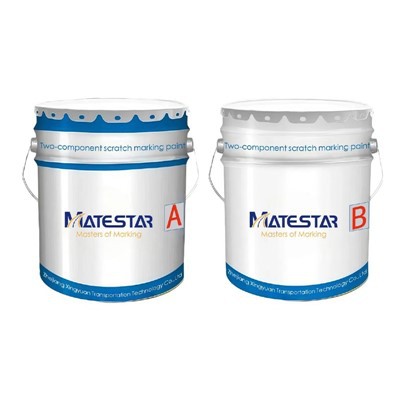
The listed work included pavement preparation, pre-marking, white thermoplastic marking materials, cold-applied or two-component products, and reflective glass beads.
More recently, in February 2026, the Ngaoundéré Urban Community issued aseparate tender for horizontal road marking works.
These examples show that road marking activities are not restricted to one city or one type of project.
They also illustrate why local suppliers may need to handle different material specifications and application methods.
For a road marking business, the purchasing decision depends on the work it actually performs.
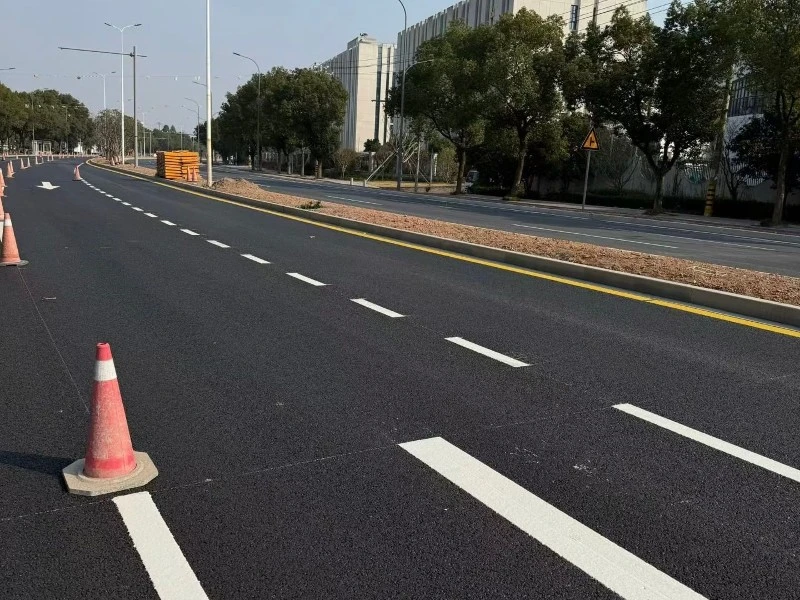
Local Contractors Are an Important Part of the Supply Chain
One characteristic of Cameroon's road safety market is the presence of specialized local businesses.
These companies may combine road marking work with traffic signs, road safety equipment and other infrastructure services.
For example, aDecember 2025 report by Cameroon's Subcontracting and Partnership Exchange described a road safety company in Douala offering road marking paint sales and application, traffic signage and related equipment services.
This illustrates an important distinction.
A local company may already have experienced workers, application equipment and established contractor relationships, but still need to evaluate manufacturers for the materials it purchases.
For these businesses, changing suppliers is not simply about finding a lower price.
The new material must work with their existing equipment, meet their customers' requirements and remain consistent between purchases.
For international manufacturers, supporting established local contractors and suppliers can therefore be a practical approach to the market.
Thermoplastic Paint and Glass Beads: Why Materials Must Be Selected Together
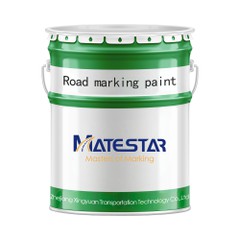
Thermoplastic road marking paint is one of the material systems used for road marking applications in Cameroon.
However, different projects may specify different marking technologies.
A contractor should therefore confirm the required material type, application method and performance requirements before comparing supplier quotations.
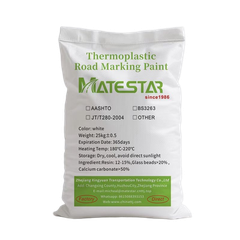
For hot-applied markings,thermoplastic road marking paint must provide suitable flow characteristics during application and appropriate mechanical properties after cooling.
The material formulation may be influenced by several factors:
- Pavement type and surface condition
- Temperature and weather exposure
- Traffic loading and marking thickness
- Required daytime brightness
- Nighttime retroreflectivity
- Application equipment and construction procedures
Reflective performance is another important consideration.
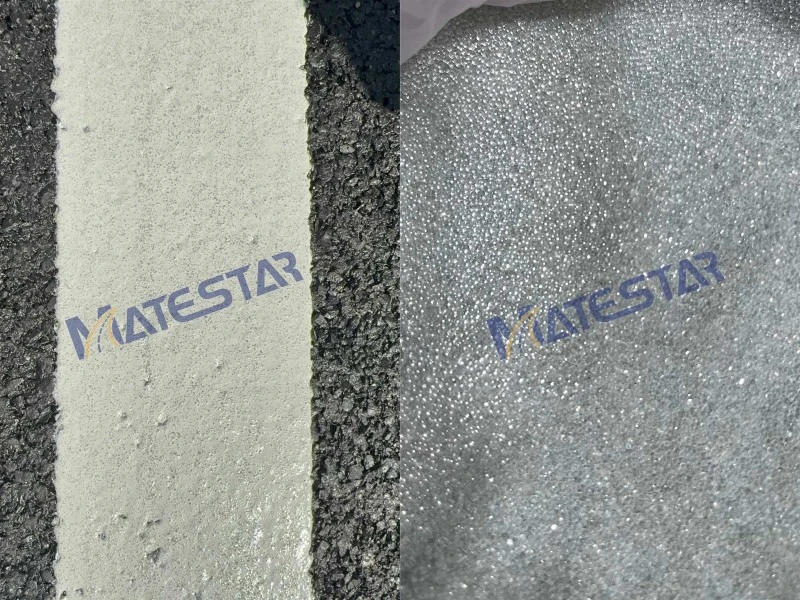
Thermoplastic marking materials may contain premixed glass beads, while additional beads are applied onto the freshly installed marking surface.
The specification ofdrop-on reflective glass beads affects how the marking returns vehicle headlight illumination toward drivers.
Particle size distribution, refractive index and application conditions should be evaluated together with the marking material.
For buyers, purchasing compatible materials can be more useful than selecting each product independently on price.
Climate and Construction Conditions Also Affect Material Selection
Cameroon includes coastal areas, humid southern regions, western highlands and drier northern regions.
These different environments can create different considerations for road marking contractors.
In humid or rainy conditions, pavement moisture and surface preparation require particular attention before marking application.
In locations exposed to stronger heat and sunlight, thermal stability and resistance to deformation may become more important.
Traffic loading, pavement condition and construction quality remain essential regardless of the region.
For example, specifying a higher softening point is not automatically the best solution to every high-temperature application.
A harder thermoplastic formulation may offer certain advantages in resisting deformation, but it must also retain appropriate flow, adhesion and flexibility.
Our technical article onwhy softening point matters in thermoplastic road marking paint explains this balance in more detail.
For Cameroonian contractors and material importers, the important question is not whether a product is described as suitable for Africa. It is whether the selected formulation matches the actual project environment and performance requirements.
Where Importers and Local Distributors Can Add Value
The presence of established contractors and road safety businesses creates opportunities for specialized material suppliers.
A distributor serving several contractors may need to offer different products, while a project-based supplier may focus on a particular specification.
For example, a business supplying thermoplastic markings may need white and yellow paint, reflective glass beads and supporting equipment.
Another supplier may focus on liquid marking systems or specialized road safety applications.
The commercial challenge is to select a product range that matches local customer demand.
Importers must also consider packaging, freight costs, inventory and the consistency of future orders.
For a company purchasing directly from China, cooperation with a manufacturer can provide more flexibility in formulation selection, packaging and combined product purchasing.
However, the real advantage depends on whether the products suit the customers and projects being served.
MATESTAR's Experience Supplying the Cameroon Market
Cameroon is among the international markets to which MATESTAR has exported road marking materials.
This export experience provides a foundation for understanding the practical requirements of supplying overseas buyers, including product specifications, export packaging and shipment preparation.
Based in Zhejiang, China, MATESTAR manufactures thermoplastic road marking paint and supplies reflective glass beads and road marking equipment.
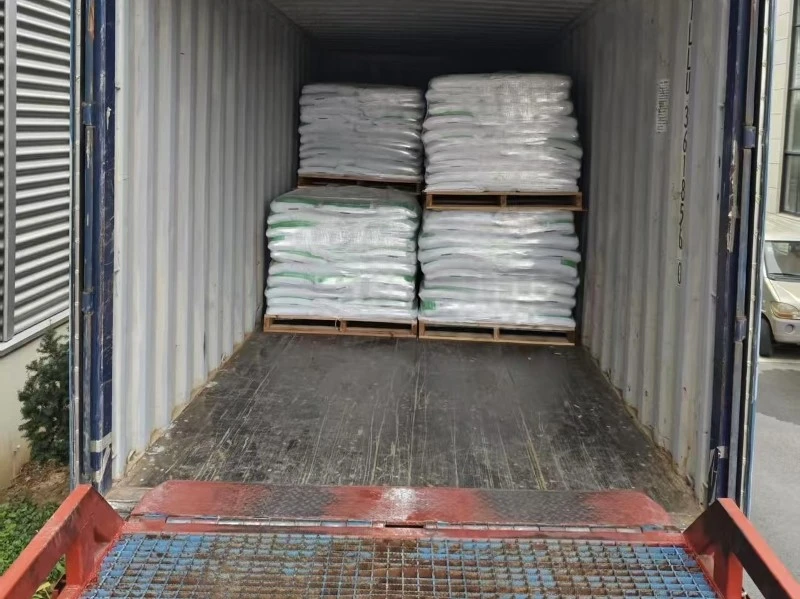
Thermoplastic materials are normally packed in 25 kg bags, with formulation customization and OEM packaging available.
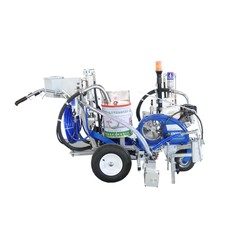
For contractors developing or expanding hot-applied marking operations, the purchasing discussion can also includethermoplastic road marking machines and equipment.
A suitable supply arrangement may combine marking paint, glass beads and application equipment according to the intended construction method.
Building Supply Relationships That Fit Local Business Needs
The most suitable purchasing arrangement depends on the buyer's business.
A contractor preparing for a specific project may need samples, technical documents and a confirmed production schedule.
An established distributor may place greater importance on product range, repeat supply and customized packaging.
A road marking business purchasing materials and equipment together may prefer to coordinate specifications with one manufacturing partner.
For these customers, a useful supplier relationship begins with understanding the applications, purchasing structure and technical requirements of the local market.
MATESTAR's manufacturing and export capabilities provide options for businesses evaluating direct supply from China.
For road marking contractors and material suppliers in Cameroon, the next step is not necessarily to purchase a larger quantity. It is to identify which materials, specifications and supply arrangements best support their existing business and future projects.
Companies exploring thermoplastic paint, reflective glass beads or related marking equipment can discuss suitable product options and supply arrangements with MATESTAR.