
For a road marking contractor in South Africa, finding a supplier with a competitive price is only part of the procurement process. The bigger question is whether the proposed material meets the requirements of the project.
Some contracts specify water-based road marking paint, while others involve thermoplastic or solvent-based systems. Product standards, testing requirements and supplier approval procedures can also differ.
For local contractors and importers considering materials from China, these differences can determine which products are worth evaluating and how early supplier discussions should begin.
A Road Marking Tender Is More Than a Paint Purchase
A useful example comes from the City of Ekurhuleni's 2026 road marking procurement documents.
The published specifications require water-borne road marking paint and reflective glass beads, with reference to EN 1436, EN 1871, SANS 731-2:2015 and EN 1423.
The tender includes specific application requirements:
|
Material |
Published Requirement |
|
Road marking paint |
Water-borne system |
|
Paint application rate |
0.42 L/m² |
|
Reflective glass beads |
EN 1423 Class A |
|
Glass bead application rate |
500 g/m² |
|
Glass bead roundness |
Minimum 80% |
These figures relate to this particular tender, rather than every road marking project in South Africa.
The important point for contractors is that the material specification is already part of the purchasing decision before supplier quotations are compared.
For example, an attractive thermoplastic paint quotation would not automatically be relevant to a contract specifically requiring water-based marking paint.

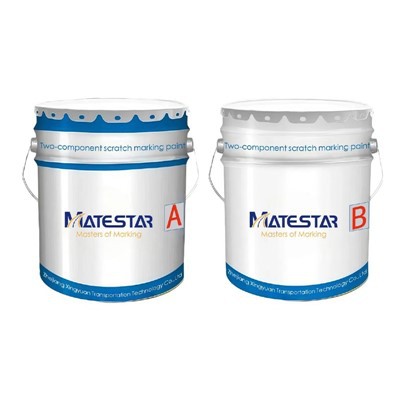
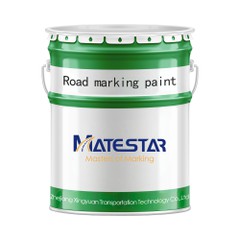
Caption: Different road marking projects require materials selected according to their application specifications.
The Challenge for Local Contractors and Importers
Consider a South African company supplying road marking materials to different customers.
One customer may be a highway contractor requiring thermoplastic paint. Another may be a maintenance contractor working with water-based markings. A third may need reflective glass beads or application equipment.
Even within the same market, these customers can have different purchasing priorities.
A project contractor needs confidence that the material can meet the specified performance requirements. A distributor may be more concerned with product consistency, packaging, pricing and long-term availability.
This creates an important distinction between project procurement and distribution supply.
For project procurement, technical compliance and approval are the starting points. For distribution, a wider product range and reliable manufacturing support may also influence the purchasing decision.
Neither situation can be evaluated on factory price alone.
Why Imported Materials Need More Than a Technical Data Sheet
For South African public road marking projects, contractors may need to demonstrate compliance with the relevant standards and approval procedures.
A manufacturer's general product catalogue does not necessarily establish that a particular material is approved for use on a specific contract.
Before introducing a new supplier, buyers should establish which product tests, certificates or supporting documents are required.
Road surface conditions also deserve attention. For example, concrete pavement often requires more careful surface preparation and primer selection than asphalt. Our article onwhy thermoplastic road marking paint peels off on concrete pavement explains the factors that can affect adhesion.
For contractors, resolving these questions before purchasing can help avoid unsuitable materials arriving at the construction site.
Where Chinese Manufacturers Can Offer an Advantage
Despite the differences in standards and approval requirements, direct cooperation with a manufacturer in China can offer opportunities for South African importers and road marking businesses.
For a distributor, this may mean developing a private-label product range rather than relying entirely on standard products offered by multiple suppliers.
For a contractor, it may mean working with the manufacturer to review material requirements and evaluate suitable formulations before placing a bulk order.
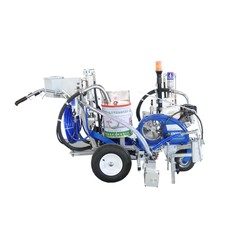
It may also be useful for companies purchasing several related products, such as thermoplastic paint, reflective glass beads and road marking equipment.
One important consideration is the total material cost.
Two thermoplastic products may have different prices per ton because of differences in resin, pigment and filler composition. Their densities and material consumption can also vary.
As explained in our article onhow thermoplastic paint density affects coverage per ton, the lowest factory price does not necessarily produce the lowest material cost per square metre.
For importers purchasing large quantities, that difference can influence both project cost and freight planning.
From Material Requirements to Factory Supply
MATESTAR has experience exporting road marking materials to South Africa and other overseas markets.
Based in Zhejiang, China, the company manufactures thermoplastic road marking paint and supplies water-based marking materials, reflective glass beads and application equipment.
Its thermoplastic formulations can be adjusted according to different requirements, including luminance factor, glass bead content, softening point and application characteristics.
For example, buyers can discuss different white thermoplastic formulations according to the required daytime brightness and project budget.
For distributors, customized packaging and OEM production provide an opportunity to develop products under their own brands.
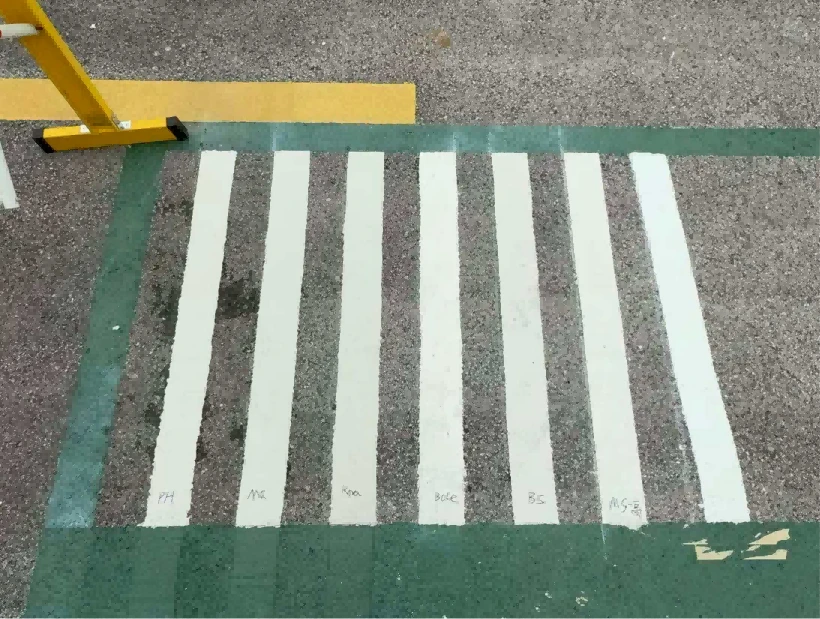
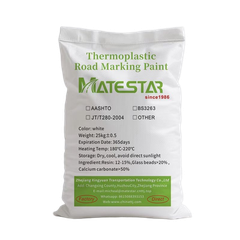
Caption: Material formulation and product selection can be discussed according to different road marking requirements.
However, the availability of a product does not automatically establish compliance with every South African standard. Product-specific documentation and any required approvals should be reviewed before it is proposed for a project.
What Would a Direct Import Arrangement Look Like?
Once a buyer has confirmed the required product type and technical specifications, the discussion can move to order quantities, packaging and shipping arrangements.
MATESTAR's thermoplastic road marking paint is normally supplied in 25 kg bags, with an MOQ of 5 tons.
A typical 20-foot container can accommodate approximately 26–27 tons of thermoplastic material, depending on the packaging and loading arrangement.
For water-based materials, packaging and loading arrangements should be confirmed according to the selected product.
Importers considering direct factory purchasing can read our guide onhow to import thermoplastic road marking paint from China, which covers material selection, packaging, shipping terms and export documentation.
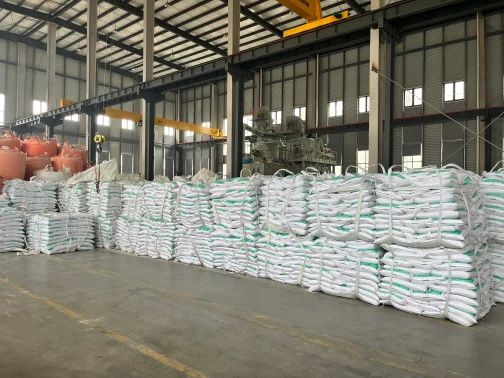
Caption: Bulk road marking material packaging and export preparation at MATESTAR's factory.
Exploring Road Marking Material Supply for South Africa?
For contractors, the next step may be evaluating a product against a particular project's technical specifications.
For importers and distributors, it may be identifying products that fit their existing customer base and exploring customized supply arrangements.
MATESTAR can discuss thermoplastic formulations, water-based products, reflective glass beads, OEM packaging and export options according to these different requirements.
If you are considering a new road marking material supplier, share your product requirements or project specifications with MATESTAR to discuss suitable options, samples and quotations.